Printmaking Process: Monotype, Etching, and Drawing
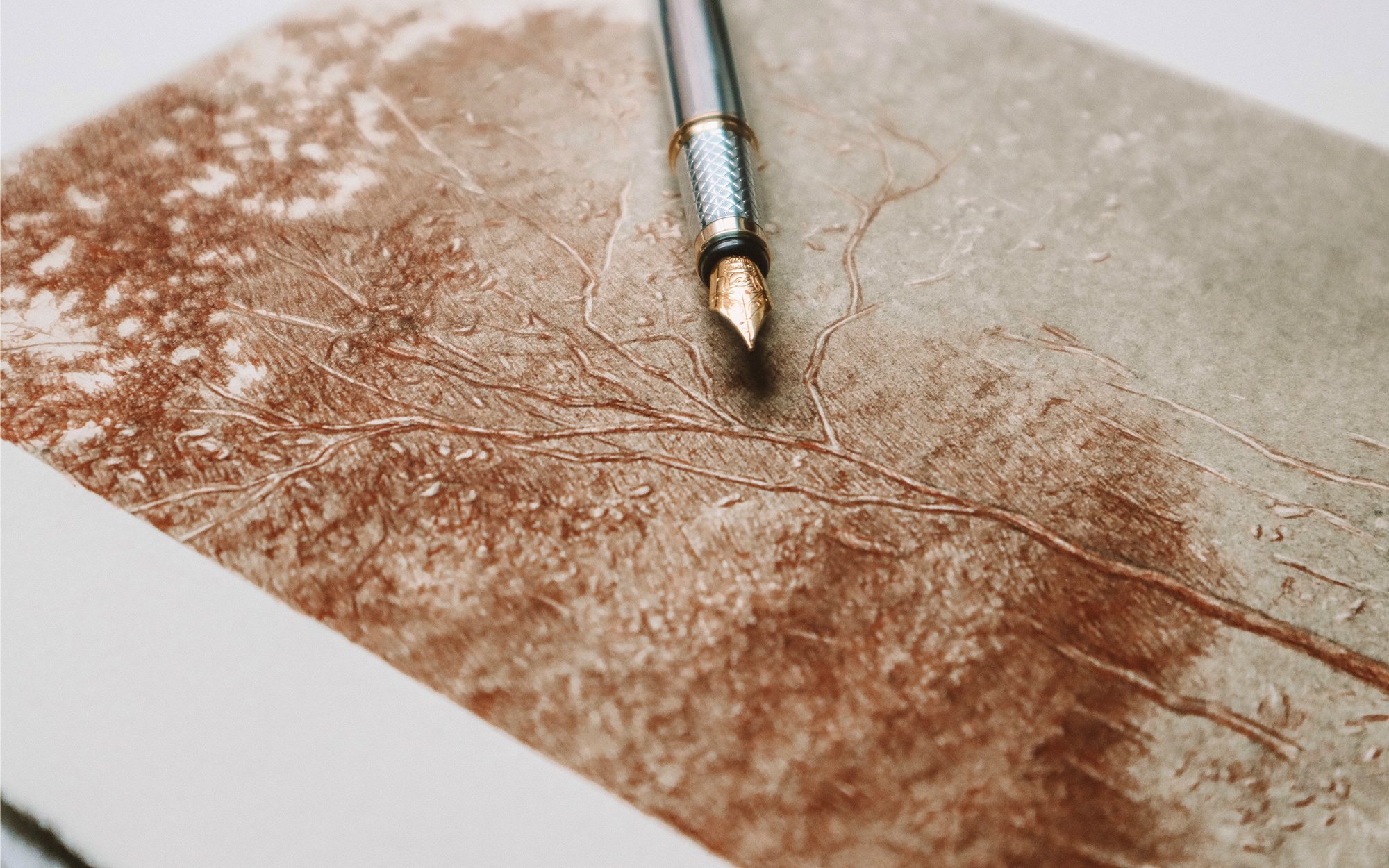
Over time, I’ve come to understand my practice not as separate disciplines, but as a continuous conversation between drawing, printmaking, and, at times, painting. Each informs the other. What begins as a line in a sketchbook often finds its way onto a plate. What happens on the plate—through pressure, ink, and chance—comes back into drawing again.
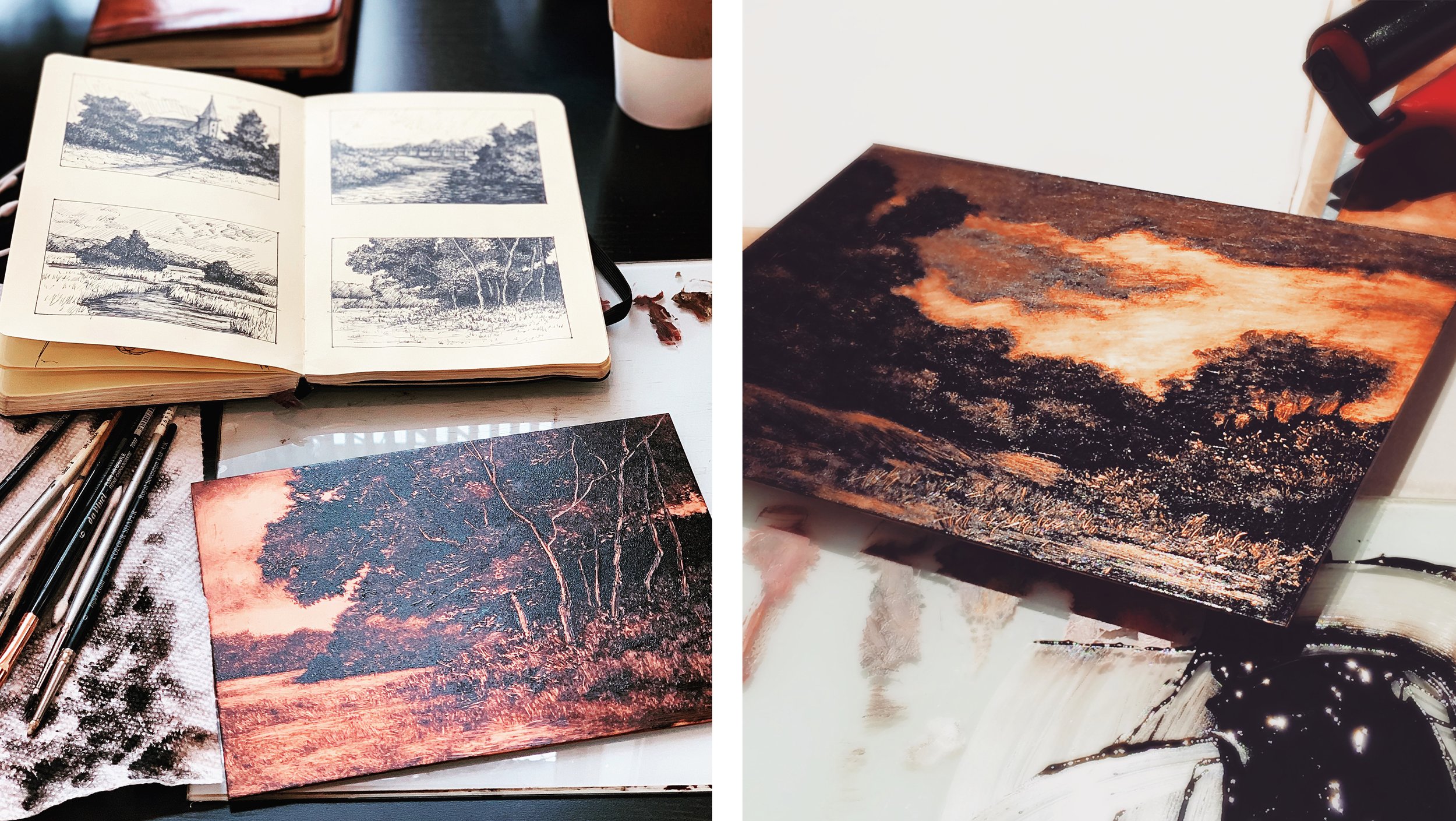
At the center of this has been printmaking, particularly monotype. It’s the process I’ve returned to most consistently over the years, and the one that continues to challenge and surprise me. There’s something about the immediacy of it—the push and pull between control and unpredictability—that keeps me engaged. The plate holds just enough resistance to make each mark feel deliberate, but never fully fixed.
If you’re new to my work, a good place to start is here:
→ Inside the Monotype Process: How I Create My Prints
And for a broader reflection on how this process has evolved over time:
→ The Pull of the Plate: A Decade in Monotype
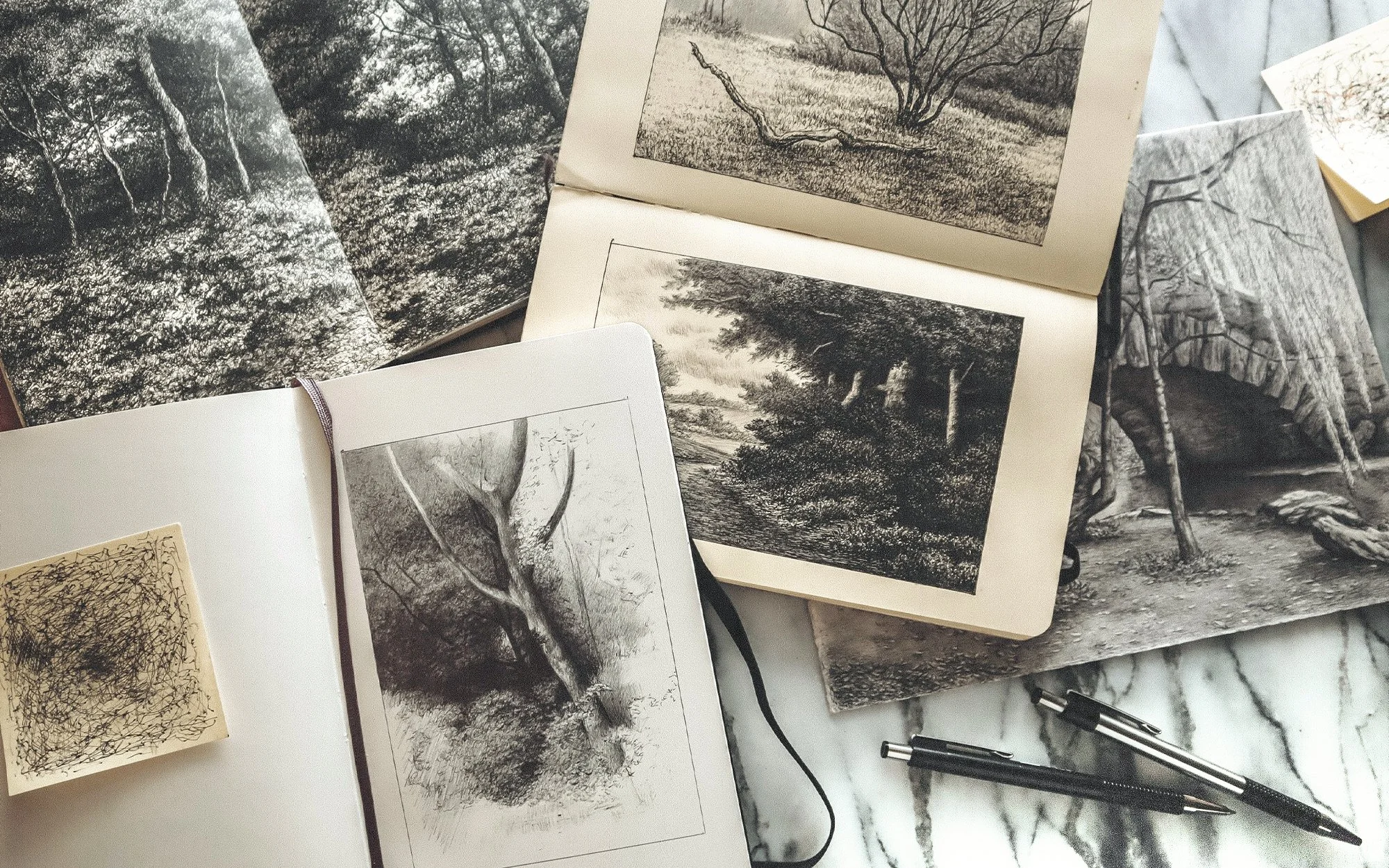
While monotype has been central, drawing has always been the foundation. Before the plate, there is the line. Years of working with pen and ink—developing sensitivity to pressure, rhythm, and touch—have shaped everything that comes after. Whether using fountain pens, ballpoint, or rollerball, drawing remains the most direct way I engage with an image.
Some of these ideas are explored further in:
→ Line & Landscape: Drawing with Ballpoint & Rollerball Pens in Central Park
→ Drawing Landscapes for Wine: Behind the Red Label
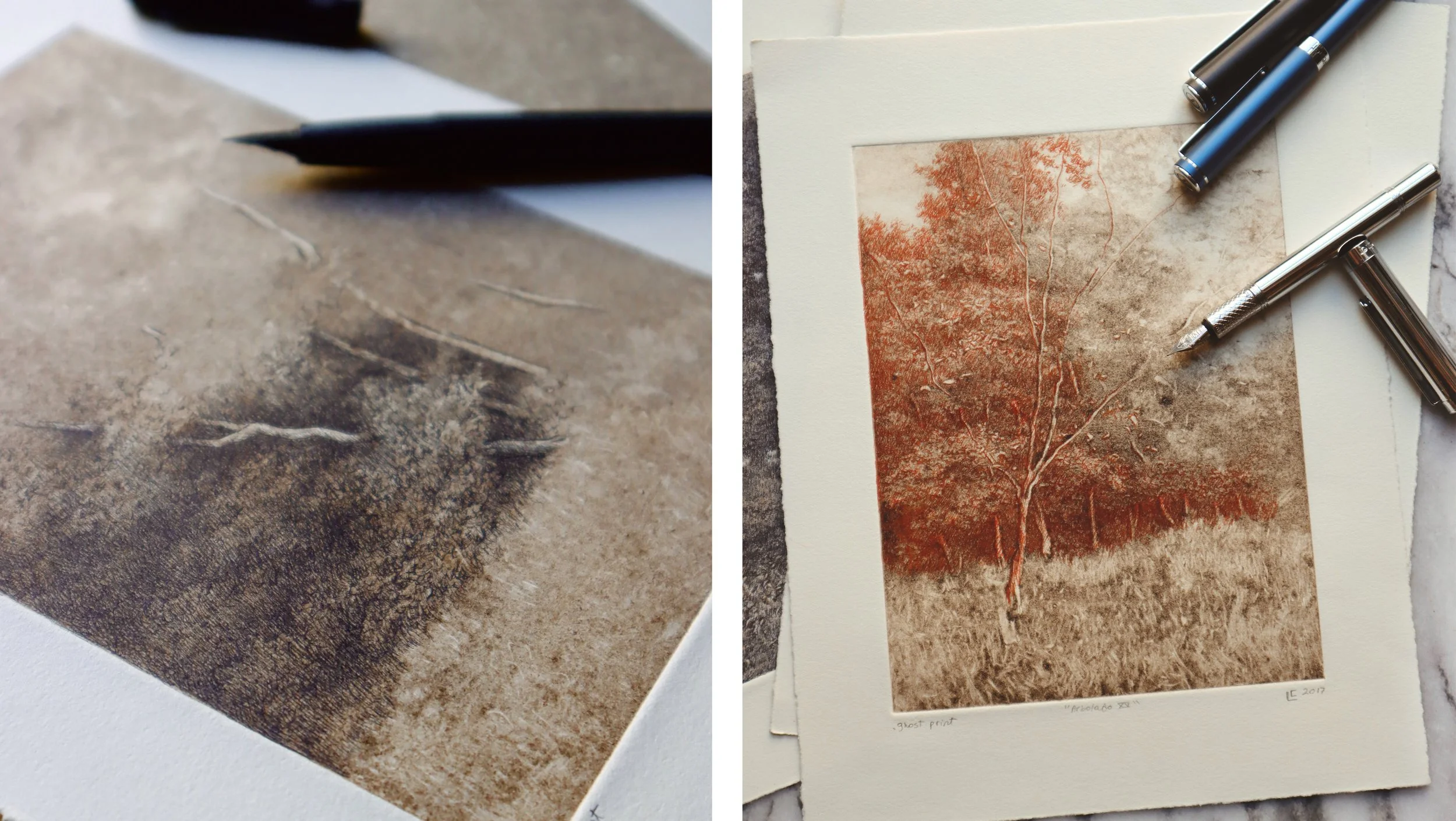
What interests me most is how these two practices begin to overlap. In many cases, the monotype doesn’t end when it leaves the press. Ghost prints—faint impressions left behind after the first pull—often become the starting point for drawings. Lines are added back into the surface, reactivating the image and giving it a second life. It’s less about finishing a work and more about extending it.
You can see this transition more clearly here:
→ From the Archives – Before the Shut Down
→ Recent Drawings
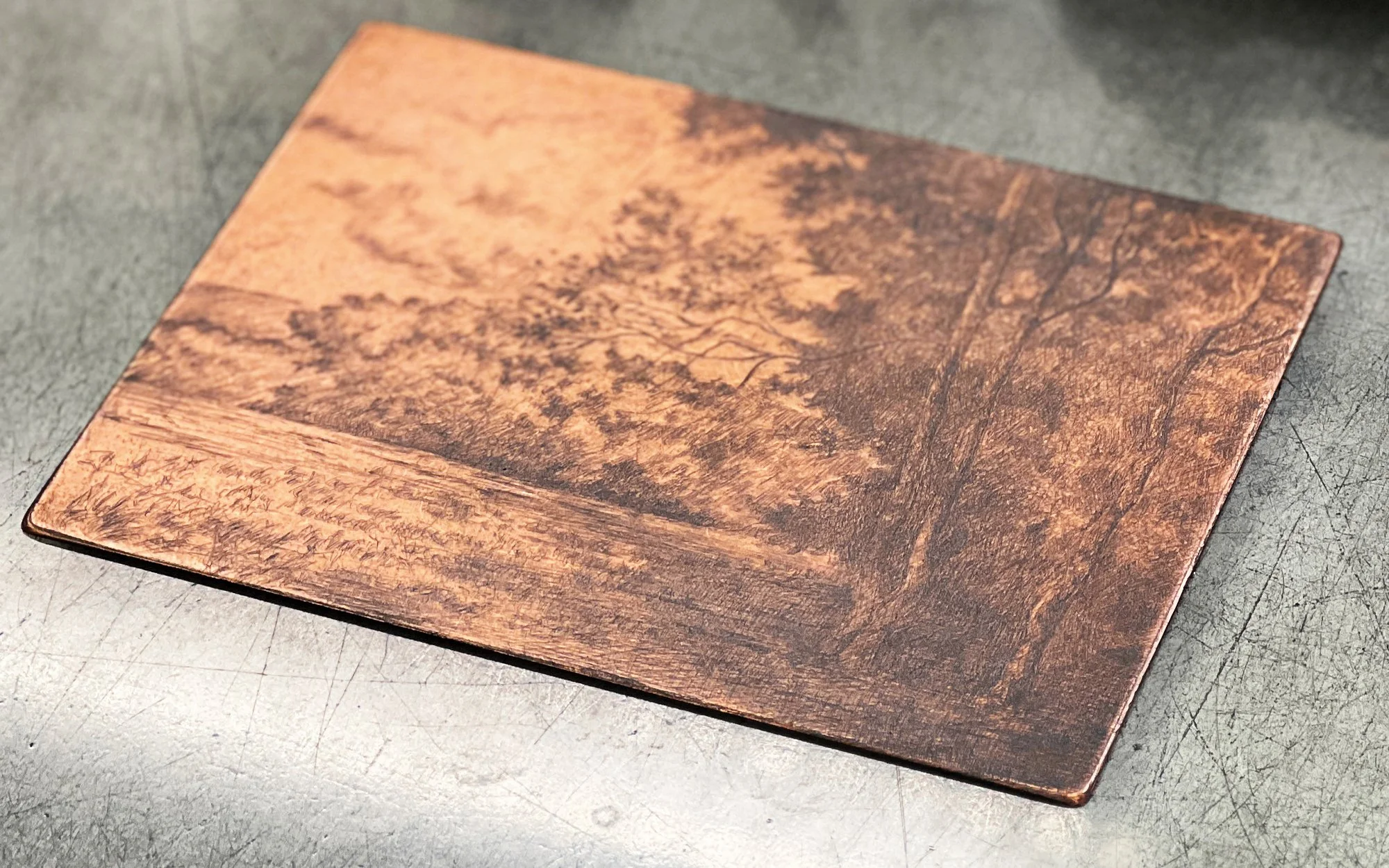
More recently, I’ve returned to etching, a process I had long avoided. Where monotype allows for immediacy, etching requires patience and a different kind of attention. The image is built through stages—drawing, grounding, acid, ink—each step holding a level of permanence that can’t be undone. For a long time, that felt restrictive. Now, it feels like a necessary counterbalance.
I write more about that experience here:
→ My First Etching: Process, Hesitation, and Returning to Printmaking
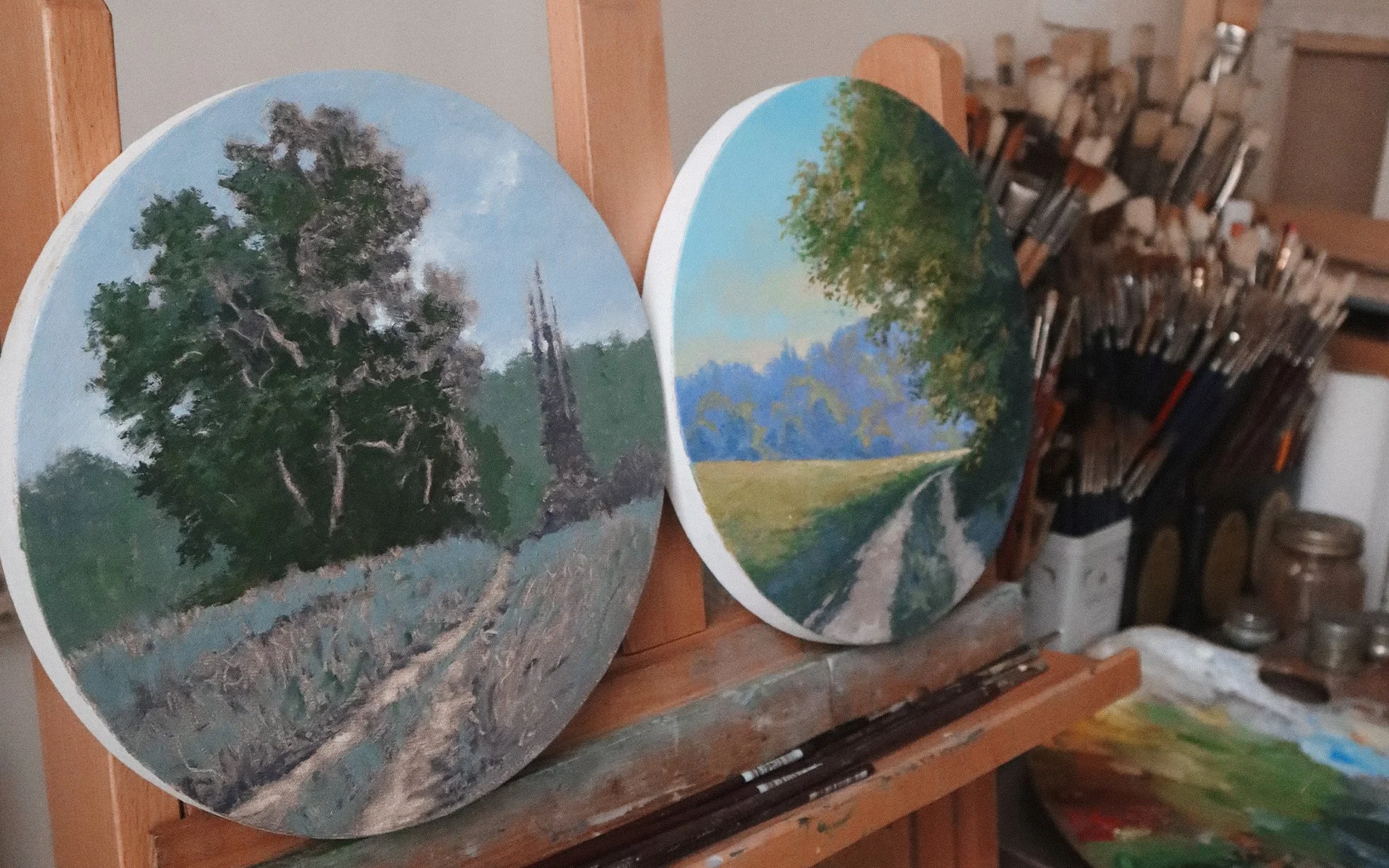
There are also moments when painting enters the conversation. While less central, it offers something that printmaking does not: the ability to build and rework over time, to sit with an image and let it shift more gradually. In that way, it connects back to both drawing and printmaking, but operates on a different timeline.
If you’re interested in that side of my work:
→ Trajectory of a Painting (Parts 1–3)
→ Finding Joy in Painting Again
Ultimately, all of these processes are connected by the same concerns: mark-making, material, and the slow development of an image. What changes is the level of control, the speed, and the degree to which the work can be reworked or repeated.
This page serves as an entry point into that ongoing process. Each post linked here offers a different perspective—sometimes technical, sometimes reflective—but all part of the same larger investigation.